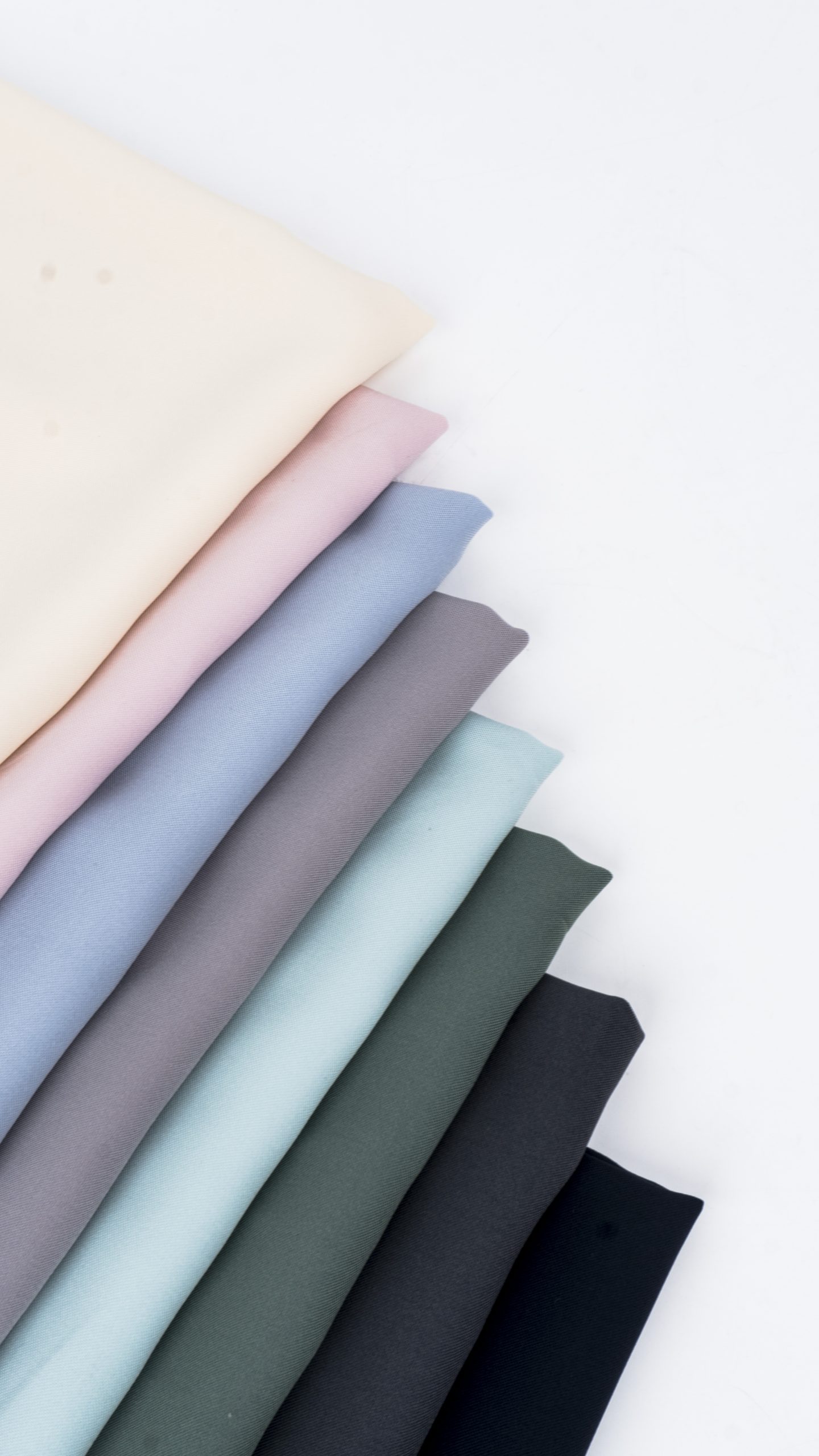
Below, I categorize common fabrics into three main types—natural fibers, regenerated fibers, and synthetic fibers—and analyze their pros and cons in detail. This guide will help you make more informed choices when selecting clothing.
I. Natural Fibers
Natural fibers are derived from plants or animals, known for their inherent comfort and breathability. They have been used in textiles for centuries and remain popular for their skin-friendly properties.
1. Cotton
Advantages
- Comfortable and Breathable: Boasts high moisture absorption and excellent skin-friendliness, ensuring a comfortable wearing experience with low allergy risk.
- Good Warmth Retention: As a poor conductor of heat, it traps static air, providing effective warmth during winter.
- Durable and Wash-Resistant: Features strong fibers that can withstand machine washing and exposure to heavy-duty detergents.
- Easy to Dye: Absorbs dyes readily, allowing for a wide range of vibrant colors.
Disadvantages
- Prone to Wrinkling: Low elasticity causes noticeable wrinkles after washing, requiring frequent ironing to maintain a neat appearance.
- Shrinkage: Significant shrinkage often occurs during the first wash (pre-shrunk cotton minimizes this issue).
- Slow Drying: While highly absorbent, it has poor moisture-wicking capabilities, leading to prolonged drying times when wet.
- Shape Loss: May become loose or deformed after repeated washes.
2. Linen (Flax/Ramie)
Advantages
- Exceptionally Breathable: Recognized as the most breathable textile fiber, making it an ideal choice for summer clothing.
- Fast Moisture Management: Quickly absorbs and evaporates moisture, keeping the wearer cool and dry even in hot weather.
- Extremely High Strength: Its strength increases when wet, ensuring long-lasting durability.
- Naturally Antibacterial: Resists bacterial growth, making it suitable for individuals with sensitive skin.
Disadvantages
- Highly Wrinkled: Poor elasticity results in prominent creases, creating a natural “casual” aesthetic that some may find unkempt.
- Rough Texture: Less soft than cotton or silk, with a slight scratchy feel (high-quality linen varieties are significantly softer).
- Poor Drape: Stiff fabric structure lacks the fluidity and smoothness of more delicate fibers.
3. Wool
Advantages
- Superior Warmth Retention: Natural fiber crimps trap air to form an insulating layer, delivering exceptional warmth in cold conditions.
- High Moisture Absorption: Can absorb up to 30% of its weight in moisture without feeling damp, regulating body humidity effectively.
- Good Elasticity and Wrinkle Resistance: Excellent fiber resilience helps garments retain their shape and resist wrinkles.
- Flame Retardant: Difficult to ignite and self-extinguishes once removed from the flame, enhancing safety.
Disadvantages
- Shrinkage (Felting): Severe shrinkage occurs when exposed to combined heat, water, and mechanical stress; dry cleaning or gentle hand washing is recommended.
- Moth-Prone: Requires mothproofing measures during storage to prevent damage.
- Sun-Sensitive: Prolonged sunlight exposure causes yellowing and reduced fiber strength.
- Potential Itchiness: Low-count wool sweaters may cause skin irritation when worn directly against the skin.
4. Silk (Real Silk)
Advantages
- Luxurious Luster: Possesses a unique natural pearlescent sheen that is unmatched by other fibers, exuding elegance.
- Skin-Friendly Comfort: Ultra-smooth texture minimizes friction against the skin, offering exceptional comfort.
- Moisture-Absorbent and Breathable: Provides thermal regulation—warm in winter and cool in summer—by balancing temperature and humidity.
- High Strength: Ranks among the strongest natural fibers, despite its delicate appearance.
Disadvantages
- Delicate and Hard to Maintain: Alkali-resistant, prone to abrasion and snags; typically requires dry cleaning or professional hand washing.
- Fade-Prone: Sunlight exposure leads to yellowing and diminished strength over time.
- Wrinkle-Prone: Easily wrinkles after washing, demanding careful ironing at low temperatures.
- High Price: Significantly more expensive than most other fabrics due to its labor-intensive production process.
II. Regenerated Fibers (Chemically Regenerated from Natural Raw Materials)
Regenerated fibers, also known as semi-synthetic fibers, are derived from natural materials like wood pulp through chemical processing. They combine the benefits of natural fibers with enhanced performance characteristics.
1. Viscose Fiber (Rayon/Modal/Lyocell)
These fibers originate from natural wood sources (e.g., eucalyptus, beech) but differ in production techniques, resulting in varied performance attributes.
Common Advantages
- Silky Texture: Exceptionally soft and smooth to the touch, mimicking the feel of natural silk.
- Moisture-Absorbent and Breathable: Moisture absorption is comparable to cotton, with good air circulation properties.
- Excellent Drape: Superior fluidity allows garments to hang beautifully, creating an elegant silhouette.
Disadvantages (Mainly for Regular Viscose)
- Low Wet Strength: Fiber strength decreases by over 50% when wet, making it highly fragile and requiring gentle handling during washing.
- Wrinkle and Shrinkage-Prone: Prone to deformation with a relatively high shrinkage rate after washing.
- Pilling Tendency: Surface pilling may occur after multiple washes and wear.
Advanced Comparison
- Modal: Offers greater strength and wash resistance than regular viscose, with an even softer texture.
- Lyocell (Tencel): A premium variant in this category. It maintains high strength in both wet and dry states, has low shrinkage, and is produced using eco-friendly processes. Combining the drape of silk with the comfort of cotton, it is hailed as “the green fiber of the 21st century”.
2. Acetate Fiber
Advantages
- Silk-Like Appearance: Closely resembles real silk in luster and drape, offering a premium aesthetic at a more accessible price point.
- Smooth Texture: Delivers a cool, soft touch that enhances wearing comfort.
- Wrinkle-Resistant: More resistant to wrinkles than silk, making it easier to maintain in daily use.
- Quick-Drying: Low moisture absorption translates to fast drying times, convenient for travel or frequent use.
Disadvantages
- Low Strength: Particularly fragile when wet, with increased susceptibility to tearing and abrasion.
- Heat-Sensitive: Requires low ironing temperatures; high heat can melt the fibers, causing permanent damage.
- Poor Moisture Absorption: Limited breathability may cause stuffiness, making it unsuitable for close-fitting sportswear.
- Solvent-Sensitive: Dissolves upon contact with acetone (e.g., nail polish remover), requiring careful handling around cosmetics.
III. Synthetic Fibers
Synthetic fibers are man-made through chemical synthesis, designed to offer specific performance benefits such as durability and wrinkle resistance. They are widely used in both everyday and specialized clothing due to their cost-effectiveness and functional properties.
1. Polyester (PET)
Advantages
- Durable and Long-Lasting: Exceptional wrinkle resistance and shape retention ensure garments maintain their appearance, with quick drying and minimal deformation after washing.
- Cost-Effective: Low production costs make it an affordable option for mass-produced clothing.
- Resilient: Resistant to shrinkage, mold, and moth damage, extending garment lifespan.
Disadvantages
- Poor Moisture Management: Low moisture absorption and breathability cause stuffiness during wear, while static electricity buildup attracts dust.
- Pilling Tendency: Fiber ends easily form pills after friction from regular wear.
- Stiff Texture: Lacks the softness of natural fibers, resulting in a less luxurious feel.
2. Polyamide (Nylon/Polyamide Fiber)
Advantages
- Extremely High Strength: Offers unmatched abrasion resistance among all textile fibers, far exceeding wool and cotton.
- Good Elasticity: High resilience makes it ideal for sportswear, hosiery, and down jacket fabrics that require stretch and recovery.
- Lightweight and Soft: Combines lightness with a soft hand feel, enhancing comfort for extended wear.
Disadvantages
- Poor Breathability: Similar to polyester, it has low moisture absorption, leading to potential stuffiness during wear.
- Sun-Sensitive: Prolonged sunlight exposure causes yellowing and reduced fiber strength over time.
- Static and Pilling Issues: Prone to static electricity buildup and surface pilling with regular use.
3. Polyacrylonitrile (Acrylic)
Advantages
- Wool-Like Properties: Mimics wool in appearance, color retention, and warmth retention, earning it the nickname “artificial wool”.
- Good Light Resistance: Excellent UV stability makes it suitable for outdoor clothing and accessories exposed to sunlight.
- Light and Fluffy: Offers a lightweight, voluminous texture that provides warmth without excessive bulk.
Disadvantages
- Poor Moisture Absorption: Low water retention leads to static electricity buildup and dust attraction.
- Low Abrasion Resistance: Becomes stiff and worn-looking after prolonged use due to poor durability.
- Heat-Sensitive: Softens or melts when exposed to high temperatures (e.g., cigarette butts), posing a fire risk.
Summary and Purchasing Recommendations
To simplify your fabric selection process, here are the preferred fabric choices based on different wearing needs:
- For Comfort and Breathability: Cotton, linen, lyocell, and silk are ideal, as they prioritize skin comfort and air circulation.
- For Drape and Luster: Silk, acetate, and viscose fiber excel, offering elegant silhouettes and premium sheen.
- For Durability and Easy Maintenance: Polyester and nylon (primarily in blended fabrics) are recommended for their resilience and low-maintenance properties.
- For Warmth Retention: Wool, cashmere, and acrylic provide exceptional insulation, perfect for cold weather.
- For Moisture-Wicking During Sports: Opt for professional functional synthetic fibers (e.g., CoolMax) instead of cotton, as they efficiently wick away sweat.
- For Cost-Effectiveness and Comprehensive Performance: Blends of natural and synthetic fibers (such as the classic 65% polyester + 35% cotton combination) offer a balanced solution.
Key Tip: Blending technology is widely used in modern textiles. By combining different fibers, manufacturers can leverage the strengths of each material while offsetting their weaknesses. For example, the classic “65% polyester + 35% cotton” blend retains the comfort and breathability of cotton while incorporating the durability and wrinkle resistance of polyester.
We hope this detailed analysis of fabric advantages and disadvantages helps you better understand and select clothing that suits your lifestyle and preferences. If you have specific questions about caring for garments made from unique materials, feel free to reach out for more tailored advice!